Learning to See Jade Differently: A Founder's Note
Lunar: Landscapes Held in Jade
I was taught to believe that the most valuable jade was the easiest to recognise.
Imperial green. Even colour. Beauty that announced itself immediately.
Then, somewhere along the way, I learnt to see differently.
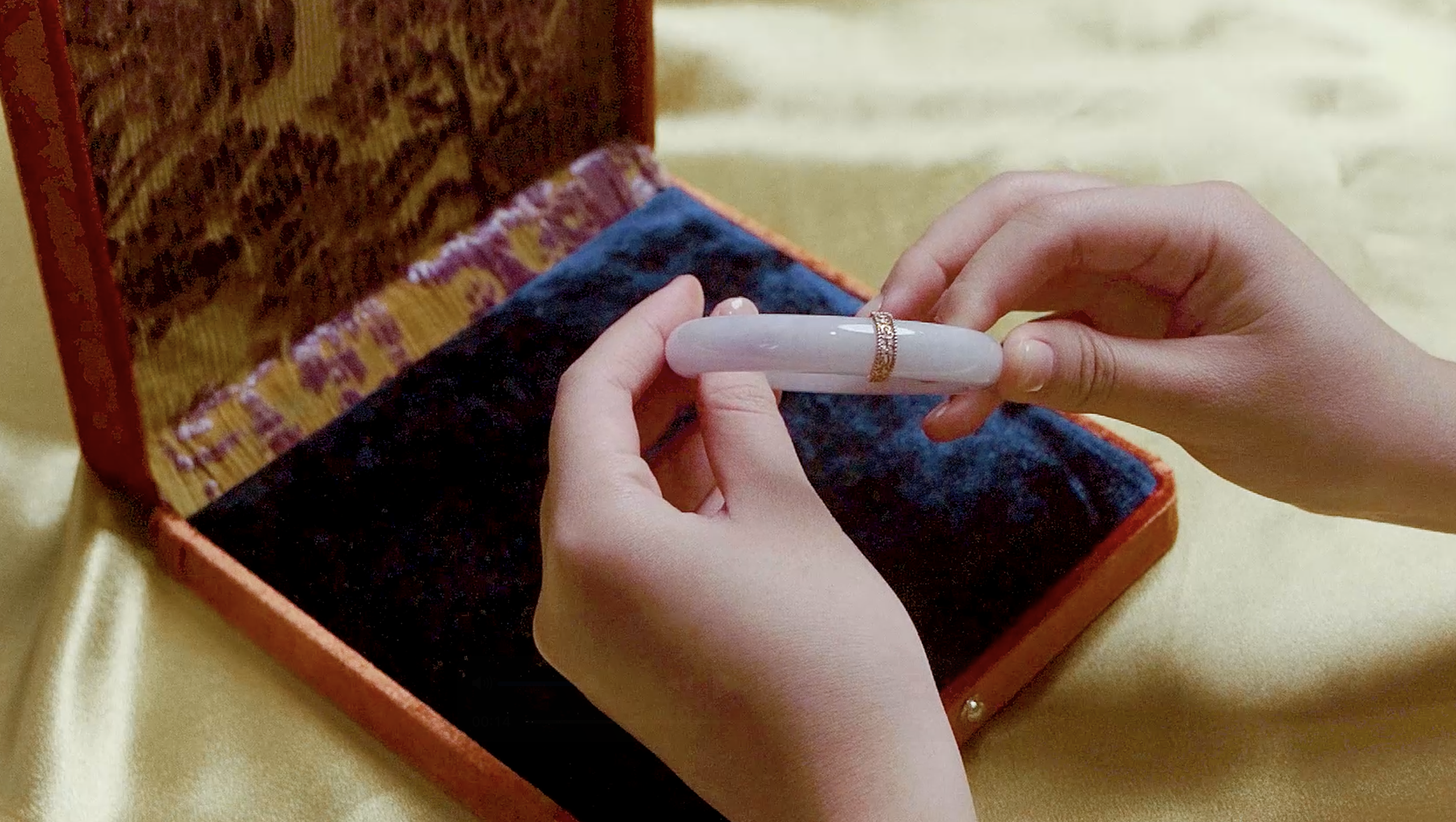
For many of our grandmothers, this was the jade to aspire to: a homogenous deep green that carried proof of prosperity.
And I understand why. They lived in worlds where jewellery had to hold meaning clearly — where taste was often shaped by tradition, elders, and experts, and a woman’s own eye was almost never the final authority. In jade, protection, inheritance, and status were woven into a single piece.
But I found myself drawn to jade bangles that were different.
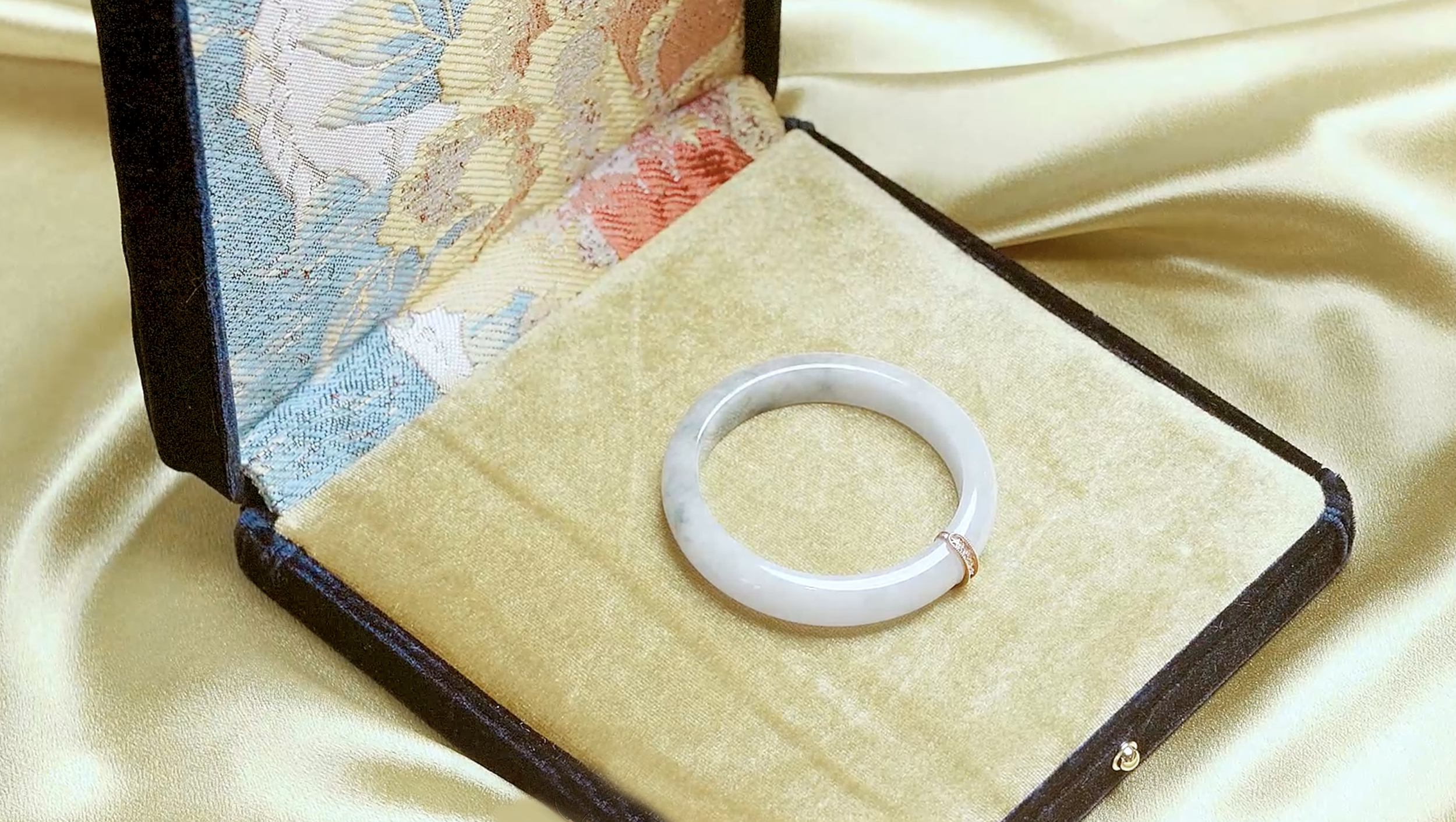
“A trace of green moving through white. Grey dissolving into lavender. Sky, moss, mist smoke, and shadow gathered within a single piece of jade. Colours that did not belong neatly to one category, and felt more alive because of it.”
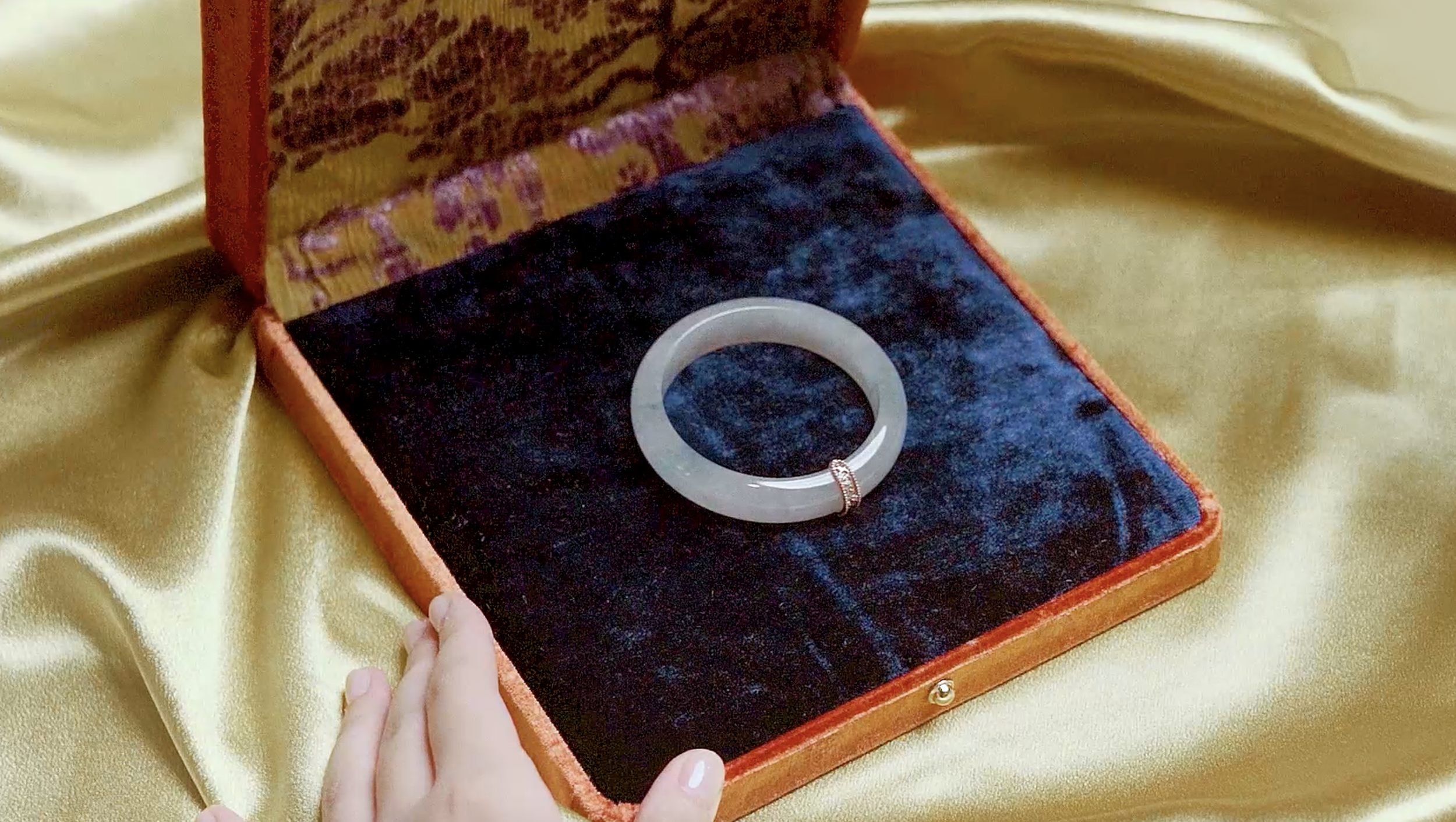
Not fully apple green or lavender. Not even the much-lauded imperial.
And yet, entirely more interesting. They reminded me of landscapes.
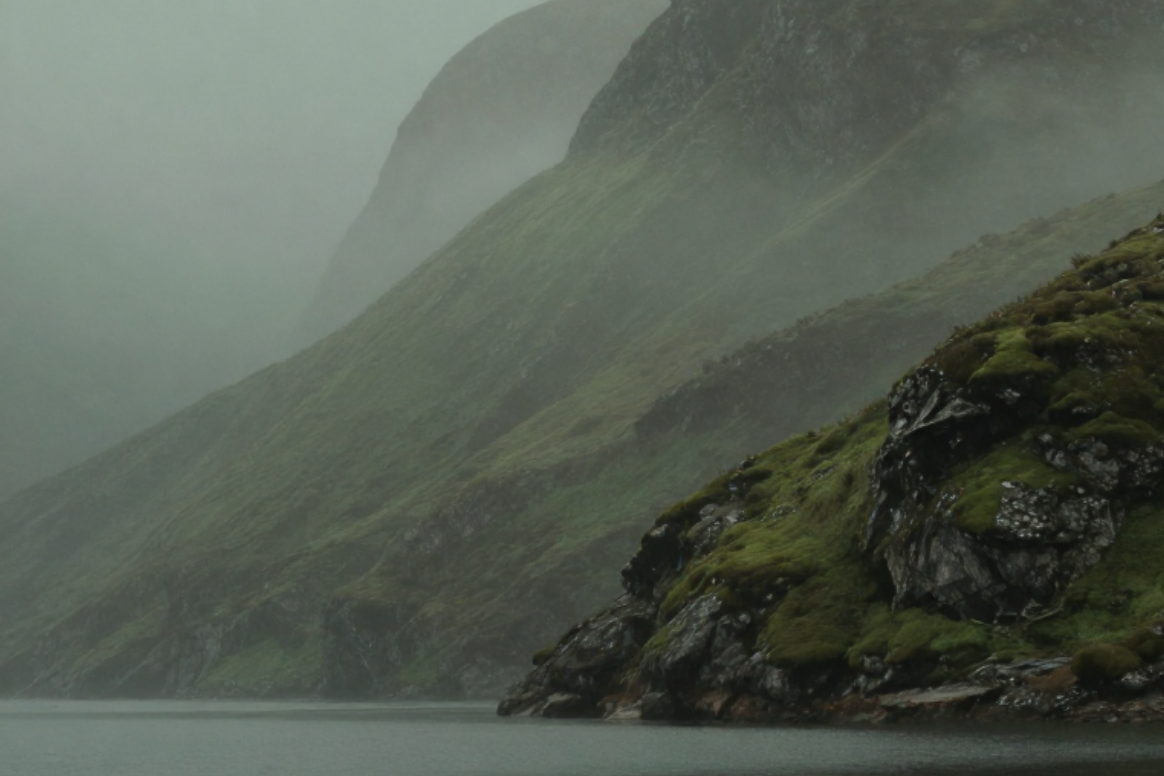
Mist rising over water. A mountain half-hidden by cloud. The pale wash of hydrangeas as their colour begins to fade. The blurred edge where sky, lake, and earth seem to become one another.
These were not the colours our grandmothers taught us to call valuable. But they were the ones that enchanted us most.
A Different Way of Seeing
At Choo Yilin, we have always chosen jade a little differently. For a long time, I wondered why.
My conclusion is simple: our lives have taught us to see differently.
Many of us were shaped by women who loved jade before we did. Grandmothers, mothers, aunties — women who taught us, directly or indirectly, that jade was something to treasure. But we also came of age in different worlds.
We inherited their reverence, but not their exact circumstances. Their lives carried the duties, sacrifices, and compromises that made ours more open. Because of what they carried, we could study, travel, work, and ultimately choose. And through those choices, we learnt to trust our own eye. We moved through cities they may never have known, entered rooms they may never have entered, and learned beauty from worlds that had not been open to them.
And so, we began to notice jade that did not fit neatly into the old hierarchies. Pieces whose beauty was not obvious at first glance, but revealed itself slowly. Jade with a complex mix of colours; pieces that felt closer to the lives we actually lived; textured, layered and impossible to reduce to a single hue.
That is where Lunar begins.

Nature’s Ethereal Landscapes
The Lunar bangles are named for the celestial, and yet what I love most about them is how much of the earth they seem to hold.
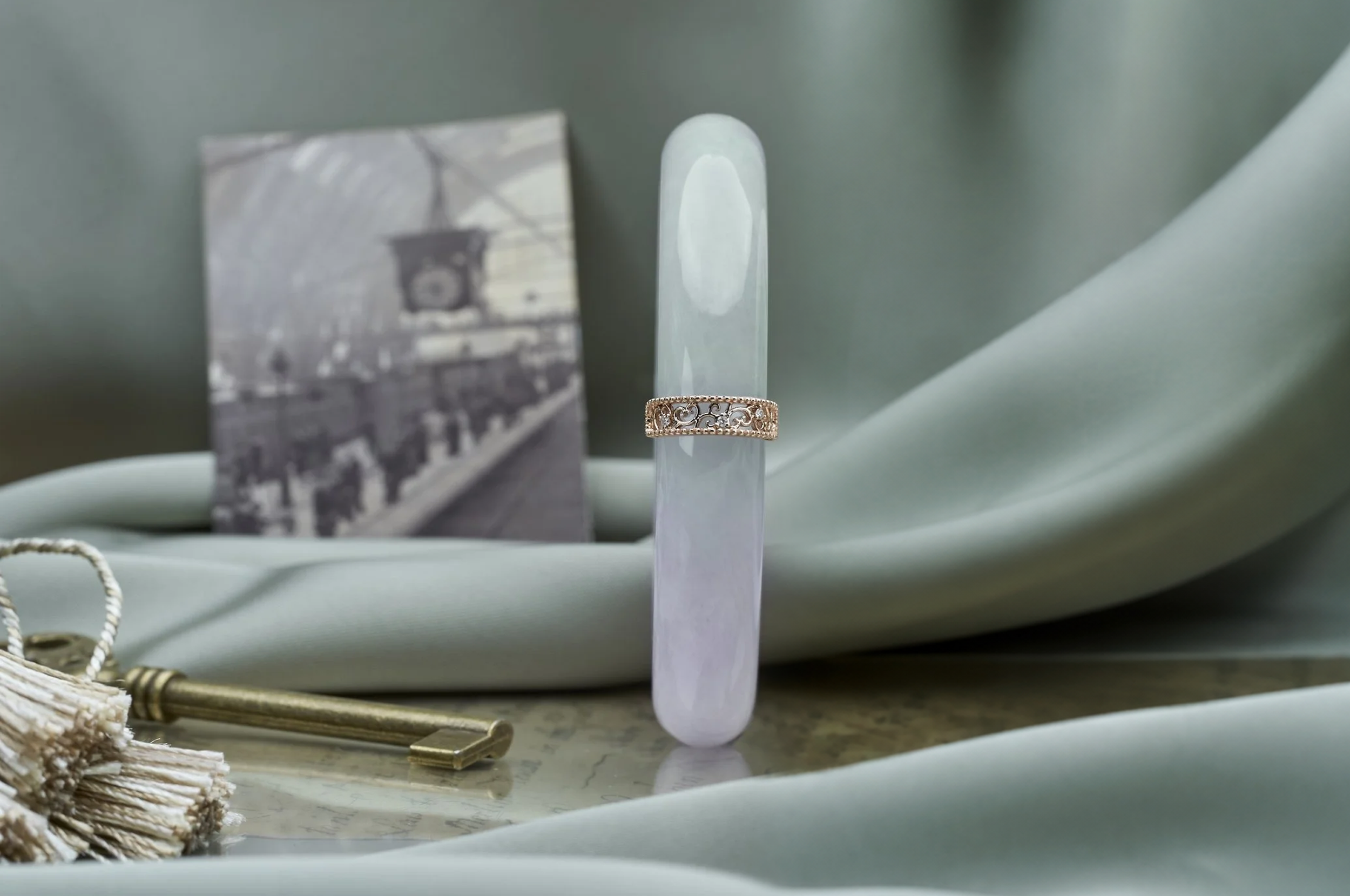
Each is one of one. Their colours move like nature at its most elusive: mist across water, moonlight on stone, cloud over mountain, the soft green of river reeds, the lavender-grey of distant rain.
What makes Lunar exceptional is not any single quality. It is the meeting of many. Fine grain. Gentle translucency. Harmonious colour.
Together they become something greater than the sum of their parts: a landscape that could never be painted twice.
A Landscape Made Wearable
The women before us taught us that jade mattered. They taught us the qualities long recognised within the world of jade: translucency, fine grain, harmony of colour, and purity of material.
Over time, we developed another kind of criteria.
One that allowed rarity to be found not only in vivid colour, but in complexity and the feeling of an entire world held within the stone.
This is jade for those who inherited tradition, then folded their own landscapes, memories, and ways of seeing into it.
A landscape held in jade. An entire world on your wrist.
With Love,
Yilin